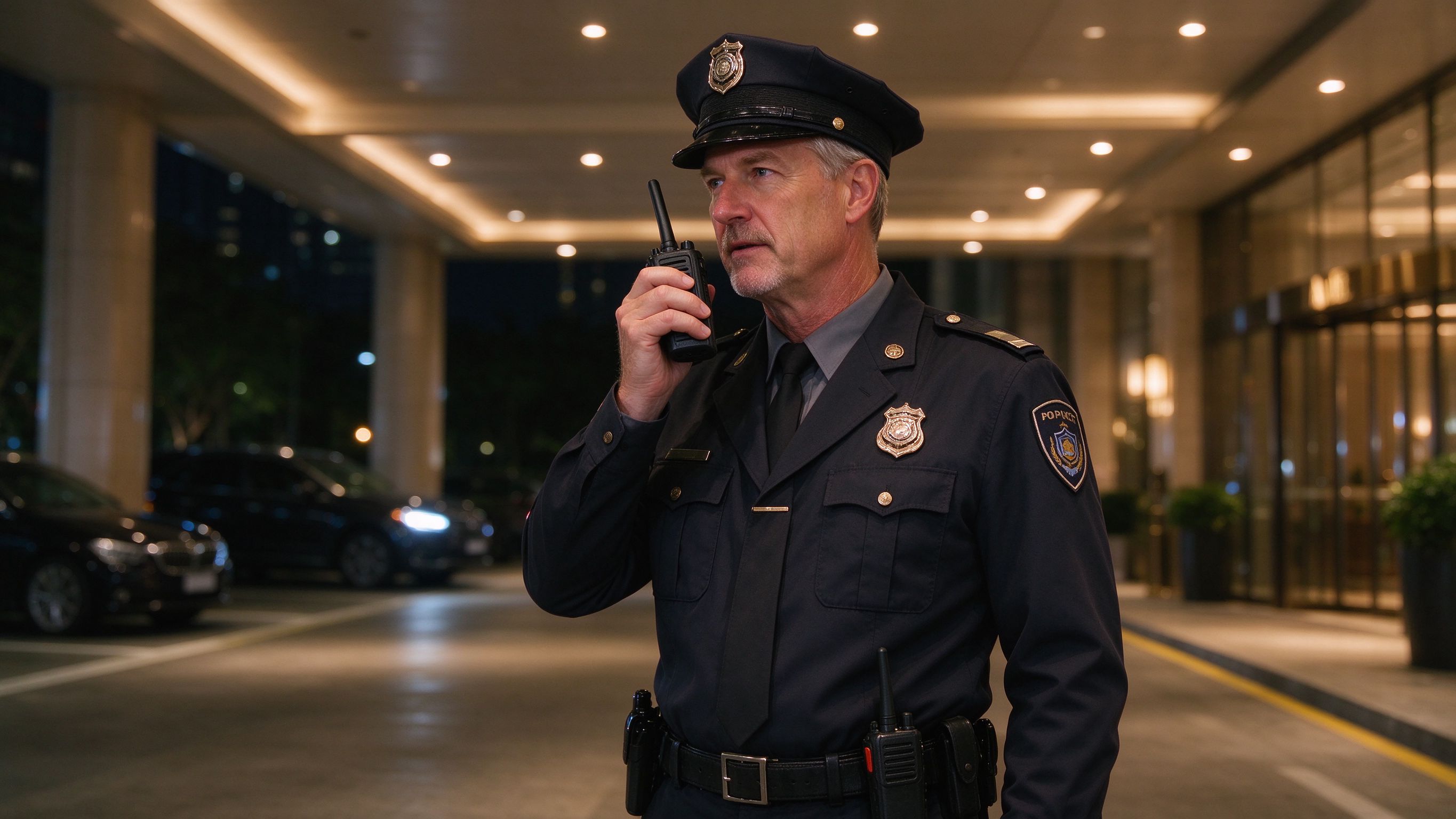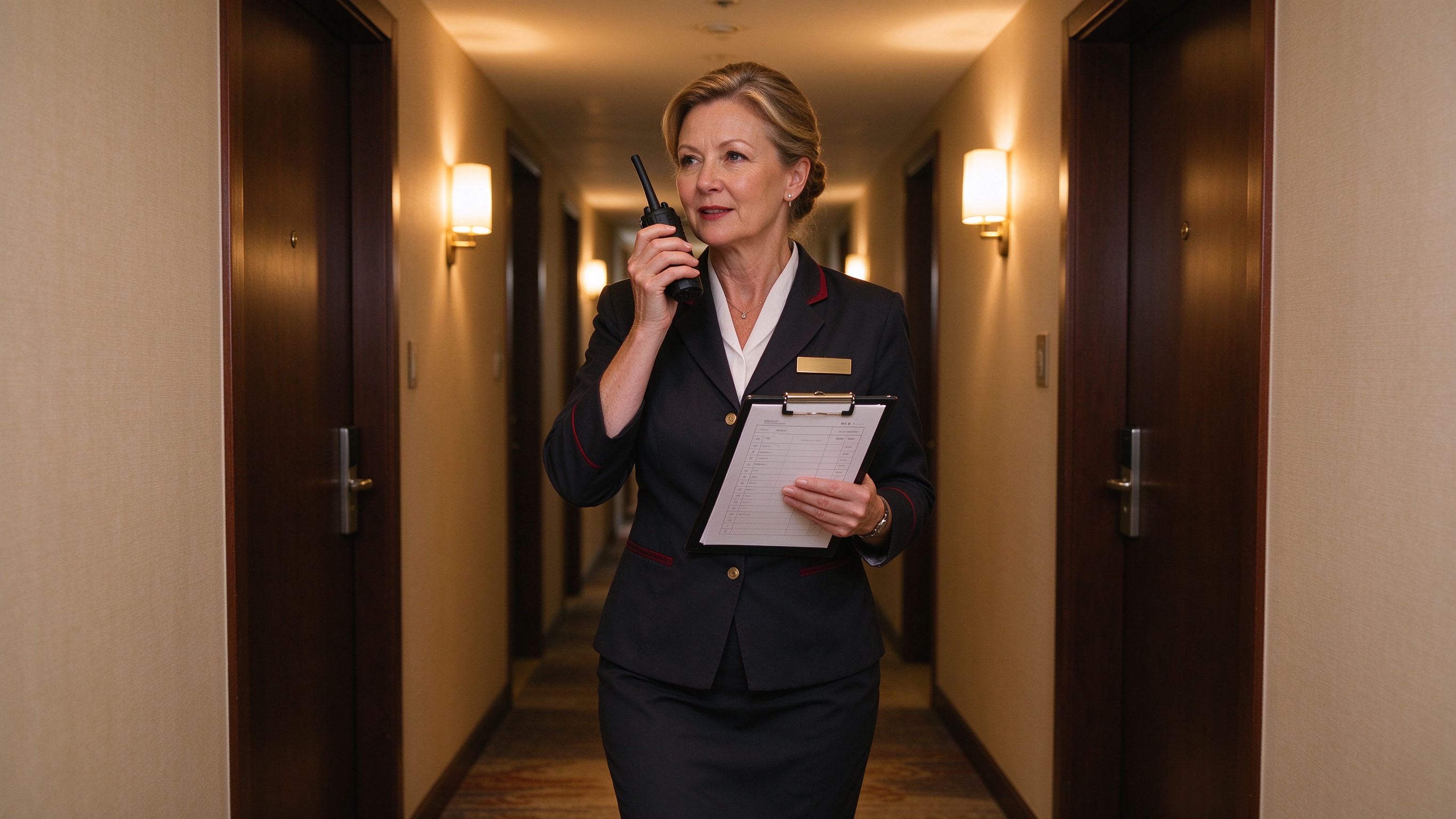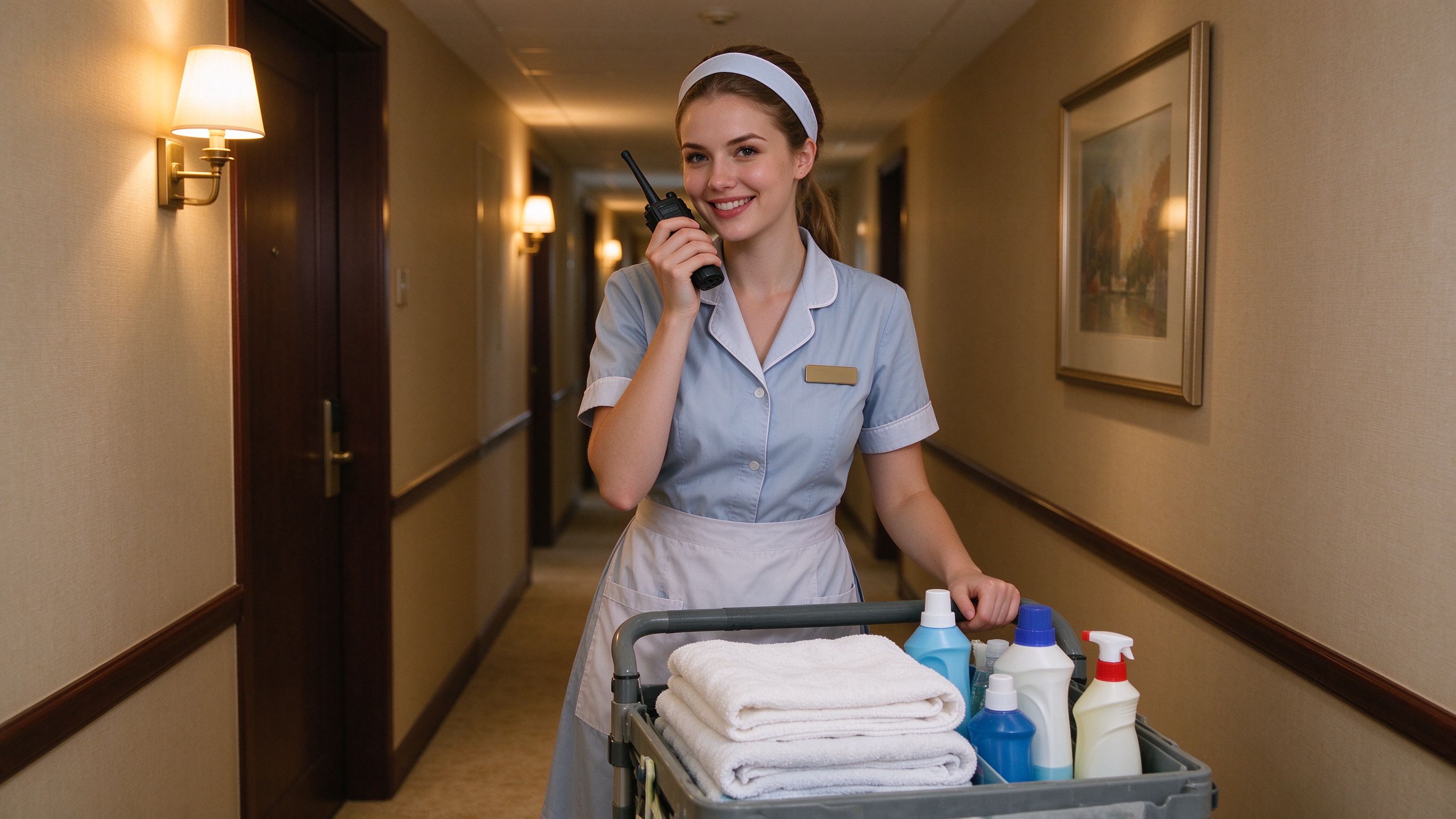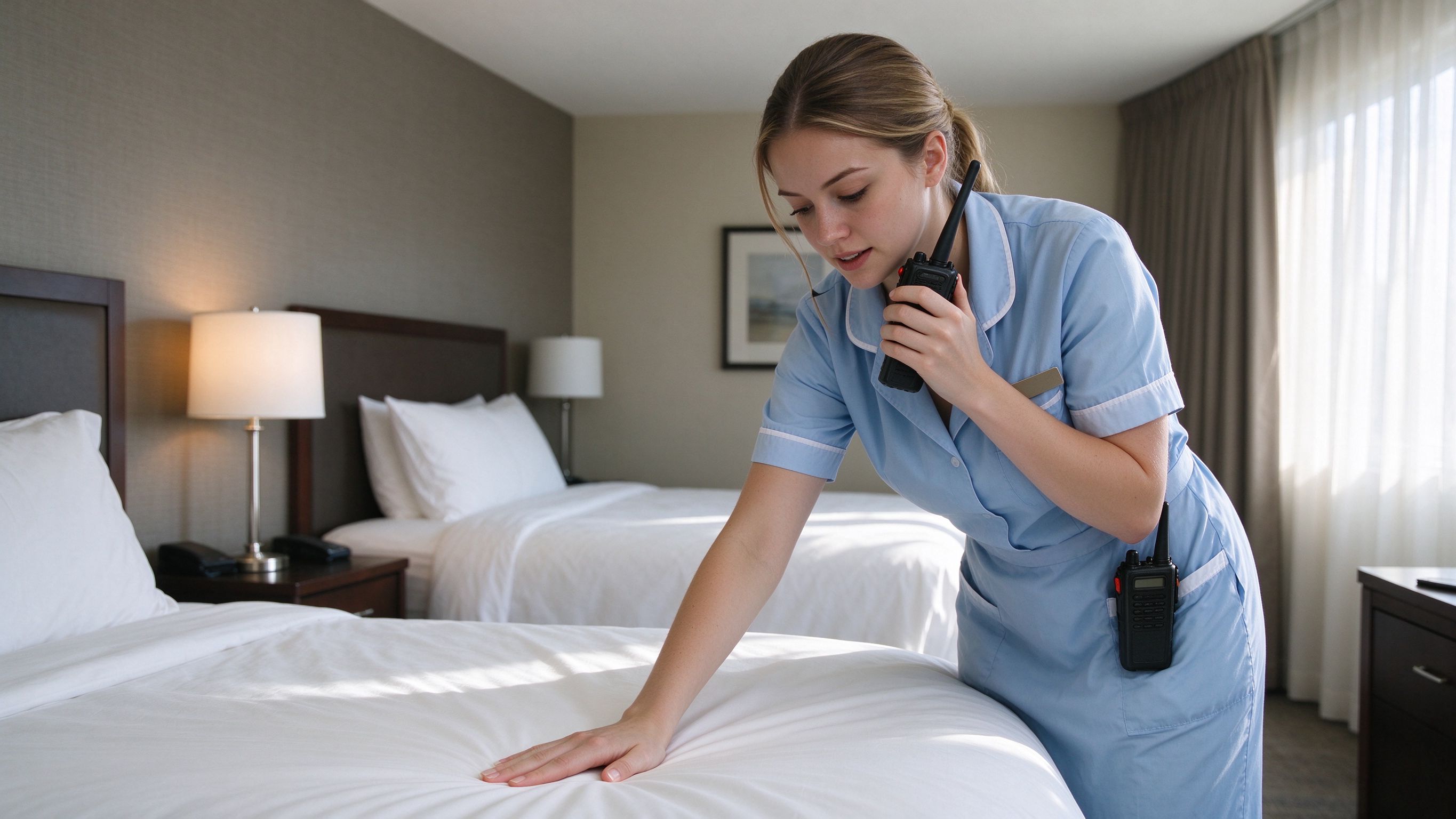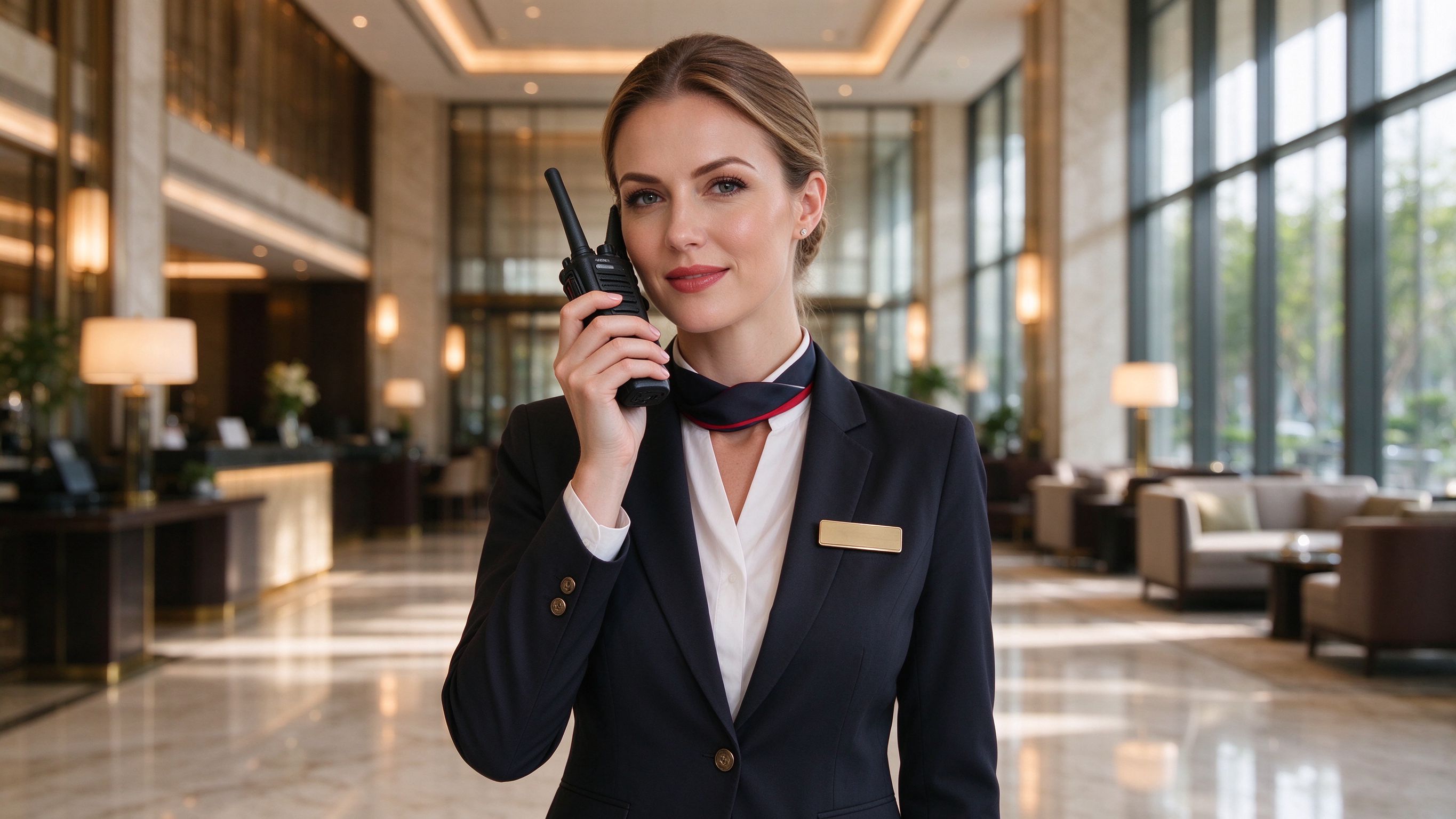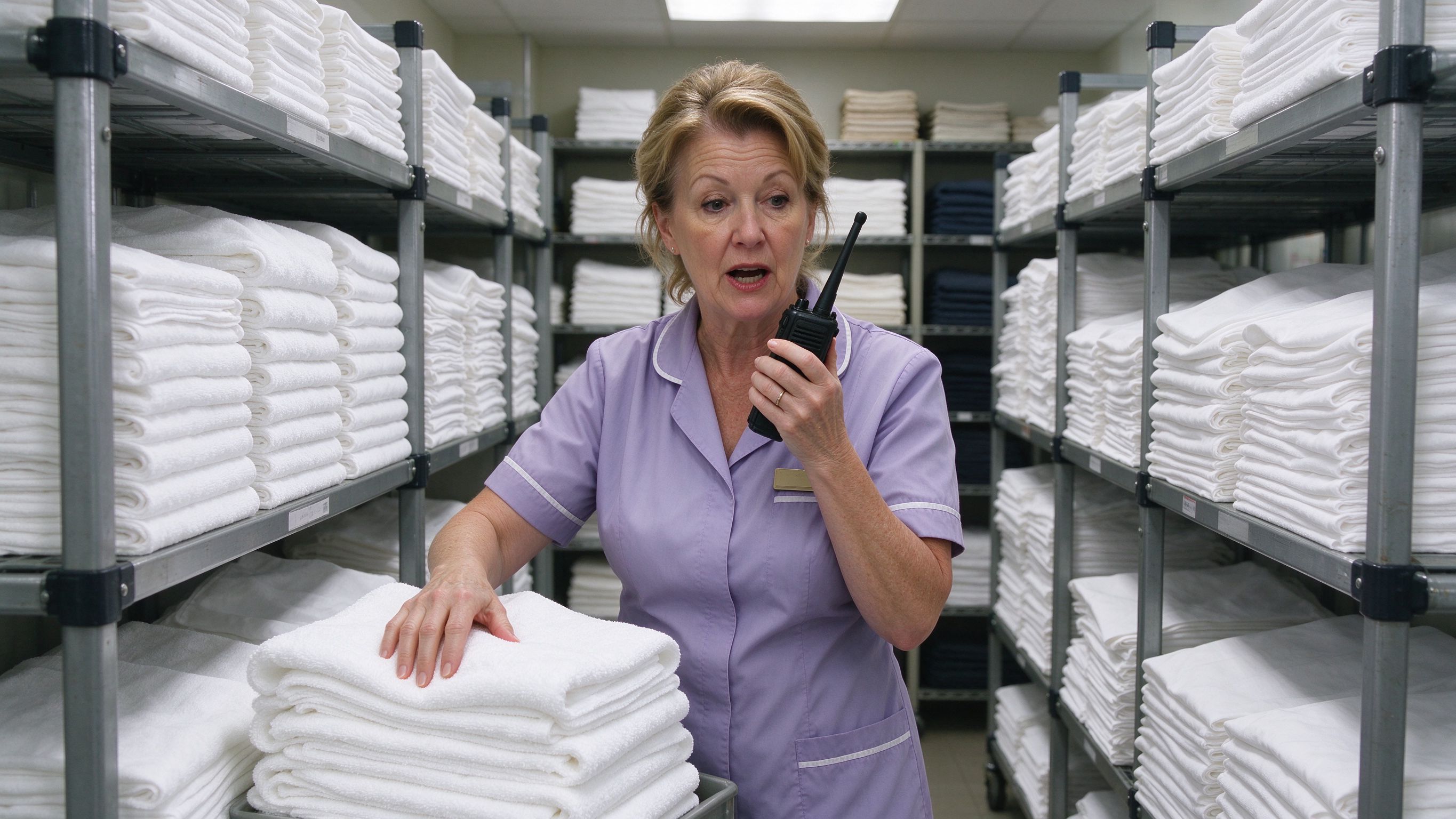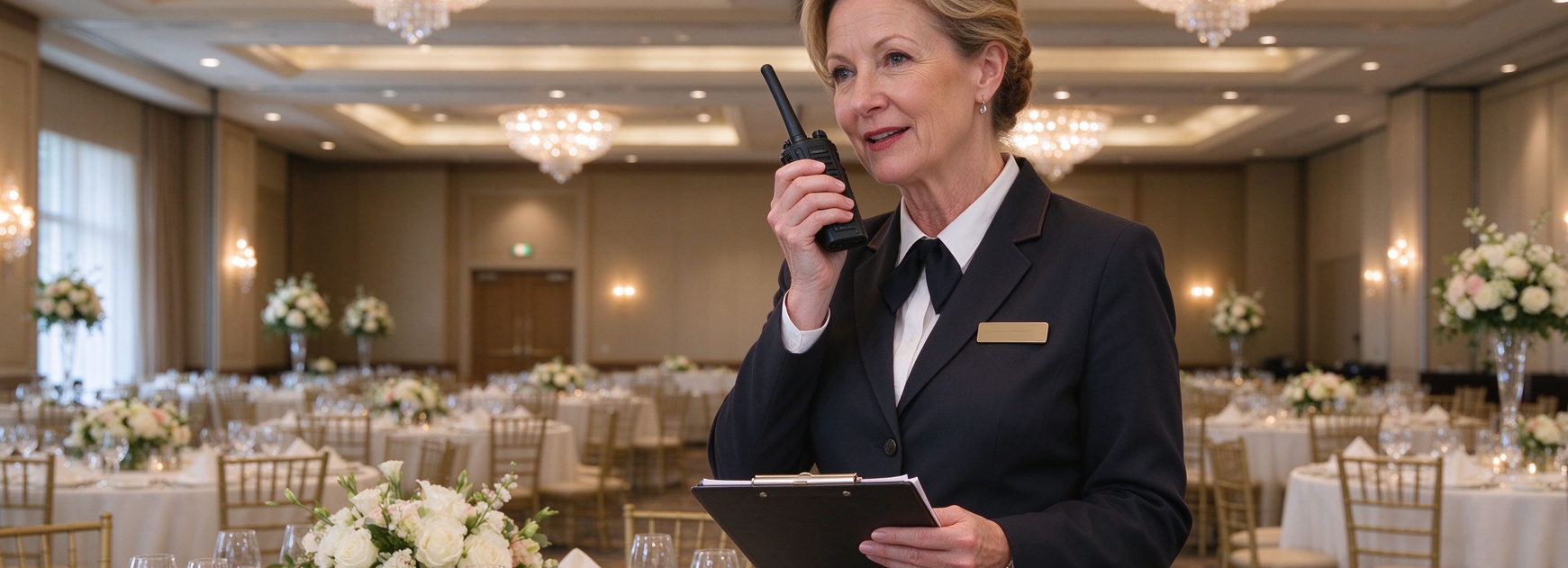
Fast, clear communication helps hotel and restaurant teams respond to guests, coordinate staff, and solve operational problems before they become service failures. Walkie-Talkies & Two-Way Radios for Hotels & Restaurants provides practical radio communication solutions for properties where every minute matters. Our focus is on matching the right walkie-talkie, two-way radio, accessories, and operating practices to the environment—not simply choosing the most powerful-looking device.
A front desk may need dependable coverage across guest floors and service areas. A restaurant team may need short, immediate exchanges between the kitchen, host stand, dining room, bar, and receiving area. Housekeeping, maintenance, security, valet, event staff, and managers each have different communication needs. The right system combines usable range, clear audio, durable construction, rechargeable power, simple controls, and responsible frequency planning.
Choosing the Right Two-Way Radio for Your Operation
The best radio system begins with the building, workflow, and team size. A compact device that works well in a small café may not provide adequate coverage in a multi-story hotel. Likewise, a long-range radio may offer little value if employees find it uncomfortable, difficult to operate, or unsuitable for the site’s communication rules.
Start by mapping the areas where staff actually need to communicate. Include kitchens, guest rooms, elevators, stairwells, loading docks, parking areas, outdoor event spaces, storage rooms, and mechanical zones. Concrete walls, steel framing, elevators, refrigeration equipment, and dense urban construction can reduce practical coverage. Advertised range is normally measured under favorable conditions, so an on-site test is more useful than a distance claim on a product box.
Consider these selection factors:
- Coverage: Determine whether the team needs room-to-room, floor-to-floor, building-to-building, or property-wide communication.
- User group: Front desk agents, servers, cooks, engineers, supervisors, and security personnel may need different accessories and channel access.
- Operating environment: Kitchens expose equipment to heat, grease, moisture, spills, and frequent handling. Hotels may require resistance to drops, dust, and extended daily use.
- Audio performance: Loud kitchens and crowded event areas require strong speakers, effective microphones, and controls that remain usable during busy shifts.
- Battery strategy: Select enough batteries and charging capacity to cover a full shift, plus replacements for peak occupancy and unexpected overtime.
- Administration: Managers should be able to label, program, inspect, and assign radios without disrupting operations.
A walkie-talkie for a restaurant should support quick, concise messages rather than encourage unnecessary chatter. A hotel two-way radio system should also protect guest experience by keeping internal communication discreet and professional. Hands-free earpieces, speaker microphones, belt clips, and charging docks can make a larger difference than maximum transmission power.
Restaurant Communication from Kitchen to Front of House
Restaurant communication is most effective when it reflects the pace and layout of service. A busy kitchen may need to confirm an order delay, announce a prepared dish, request a manager, or coordinate a delivery while multiple conversations happen at once. Front-of-house staff may need to communicate table status, seating changes, accessibility requests, private events, or guest recovery actions without leaving their positions.
A restaurant walkie-talkie should therefore be easy to use with one hand and clear enough to understand through background noise. Push-to-talk controls should have a positive feel, while a speaker microphone or discreet earpiece can keep the radio away from food-preparation surfaces. Supervisors may prefer a radio with a display and multiple channels, while servers may benefit from a lighter unit with fewer controls.
Practical best practices for a busy restaurant include:
- Assign channels by function. One channel may serve general operations, while another supports management, events, or maintenance. Avoid creating more channels than the team can remember.
- Use role-based call signs. Calling “manager” or “host stand” is often clearer than using personal names during a rush.
- Keep messages short. State who you are calling, the location, and the action required. For example: “Host stand to manager: table 18 requests an allergy review.”
- Confirm important information. Repeat table numbers, delivery times, quantities, and safety instructions when accuracy matters.
- Protect guest privacy. Do not transmit payment details, medical information, or unnecessary personal data over an open channel.
- Set quiet periods. During guest-facing moments, teams can use discreet earpieces, lower volume settings, or pre-agreed signals.
- Review radio etiquette after peak service. A five-minute debrief can identify dead zones, unclear terminology, and repeated messages.
Radios should support the restaurant’s workflow rather than replace it. Order systems, kitchen display systems, phones, and in-person communication still have important roles. The radio is most valuable for mobile coordination where staff cannot stop to type or walk across the property.
Hotel Walkie-Talkies for Guest Services and Operations
Hotels depend on communication across departments that may be separated by floors, doors, service corridors, and outdoor grounds. A request from the front desk can involve housekeeping, engineering, valet, bell services, security, or a manager within seconds. Hotel walkie-talkies give mobile employees a shared operational channel and reduce the need for repeated phone calls.
A hotel walkie-talkie should be selected with the property’s physical structure in mind. A boutique property may need coverage across several floors and a courtyard. A resort may require outdoor range between buildings, pool areas, conference facilities, parking lots, and maintenance zones. A convention hotel may need temporary channels for event teams while keeping security and engineering traffic separate.
Common hotel applications include:
- Housekeeping updates about room readiness, lost property, supply requests, and priority turns.
- Engineering coordination for air-conditioning issues, plumbing concerns, elevator notifications, and preventive maintenance.
- Front desk communication about early arrivals, accessibility needs, guest requests, and room status.
- Valet and bell service coordination during arrivals, departures, group events, and weather disruptions.
- Security communication for access control, incident response, suspicious activity, and emergency support.
- Event operations for room resets, catering timing, audiovisual assistance, and crowd movement.
Because hotel staff communicate near guests, radio appearance and audio discipline matter. A compact body, secure belt clip, discreet earpiece, and low-profile accessory can help employees remain professional. Channel names and procedures should be simple enough for seasonal or temporary staff to learn during orientation.
Managers should also define what belongs on the radio and what requires a phone call, incident form, or face-to-face escalation. Radios are not a substitute for emergency services, a guaranteed private communication system, or a complete incident-management platform. They are a rapid coordination tool that works best when integrated into clear hotel procedures.
Rechargeable Power, Charging, and Shift Readiness
A rechargeable walkie-talkie is only dependable when the battery is managed as carefully as the radio itself. A device that starts the morning with a weak battery can fail during the busiest part of dinner service, a late-night maintenance call, or a high-occupancy arrival period. Battery planning should account for transmit time, standby time, scanning, temperature, age, and accessory use.
Estimate actual usage instead of relying only on the battery capacity printed on the package. A team that transmits frequently in a loud kitchen will use more power than a housekeeping team that sends occasional updates. Cold outdoor conditions can also reduce available battery performance. Keep a reserve for extended shifts, event days, and unexpected operational disruptions.
A practical charging program includes:
- A labeled charging position for every radio and spare battery.
- A written check-in and check-out process for each department.
- At least one tested spare for critical roles, subject to the property’s staffing level and shift pattern.
- Regular inspection for swollen batteries, damaged contacts, loose connectors, or cracked housings.
- Charging equipment placed away from grease, water, heat, and public traffic.
- A replacement schedule based on observed runtime and battery condition rather than age alone.
Multi-unit charging docks can improve consistency in hotels and restaurants with larger teams. Individual chargers may be practical for small operations or mobile supervisors. Staff should avoid mixing incompatible batteries, charging accessories, and radio models unless the manufacturer specifically approves them. A rechargeable system can lower disposable battery use, but only when batteries are safely stored, correctly charged, and replaced before they become unreliable.
Range, Audio, Durability, and Accessories
Radio specifications are useful starting points, but real performance depends on the site. A clear signal through an open restaurant may become weak across reinforced concrete, underground parking, or multiple elevator shafts. Before purchasing a large fleet, test representative areas during normal operating conditions. Walk the route used by staff, check the locations where problems are most likely, and record results by department.
Audio quality deserves equal attention. Strong reception is not enough if employees cannot understand speech over exhaust fans, dishwashers, music, or event crowds. Look for a speaker that remains intelligible at practical volume, a microphone suited to the intended accessory, and controls that can be operated without removing gloves when appropriate. An earpiece may improve privacy and reduce the need to raise the volume, while a remote speaker microphone can place the audio closer to the user’s ear.